Complete Guide to Hair Loss Treatment in Islamabad Now!
Hair loss can affect appearance, confidence, and everyday comfort, especially when thinning becomes noticeable around the hairline, crown, or parting. Hair Loss Treatment in Islamabad has become a practical option for people seeking professional assessment and individualized care close to home. The right approach depends on age, pattern of loss, medical history, hormone levels, nutrition, and the condition of the scalp.
Understanding Hair Loss
Losing some hair each day is normal because follicles naturally move through growth, resting, and shedding phases. Concern usually arises when shedding becomes excessive, the hair shaft becomes progressively thinner, or visible gaps develop. Common causes include hereditary pattern baldness, hormonal changes, stress, nutritional deficiencies, certain medications, scalp disorders, and autoimmune conditions.
A consultation for Hair Loss Treatment in Islamabad helps distinguish temporary shedding from progressive follicle miniaturization. A qualified practitioner may review your history, examine the scalp, assess the pattern of thinning, and recommend laboratory tests when a deficiency or medical condition is suspected. This evaluation is important because treating the wrong cause can delay improvement.
Why Early Treatment Matters
Hair follicles may become progressively weaker when genetic hair loss continues untreated. Earlier Hair Loss Treatment in Islamabad can help preserve existing follicles before thinning becomes extensive. Many people begin with medicines, topical therapies, scalp treatments, or lifestyle improvements.
Results vary because follicles respond differently to treatment. A realistic plan focuses on reducing further loss, supporting healthy growth, and improving density where possible. Patients should avoid promises of instant or guaranteed regrowth and instead discuss measurable goals with a qualified professional.
Common Treatment Options
One commonly used option in Hair Loss Treatment in Islamabad is topical minoxidil, which may help prolong the growth phase and improve density for suitable patients. It generally requires consistent use, and benefits can diminish after stopping. A clinician should explain appropriate strength, application, possible irritation, and expected timelines.
Oral medicines may be considered for selected patients, particularly when androgen-related hair loss is suspected. These medicines can have contraindications and potential side effects, so they should only be used under professional guidance. A practitioner can determine whether the benefits outweigh the risks for an individual patient.
Platelet-rich plasma, often called PRP, uses a prepared portion of the patient’s blood to deliver concentrated platelets to the scalp. Some studies suggest PRP may improve hair density and thickness in selected cases. Treatment usually involves multiple sessions followed by maintenance, although protocols and outcomes differ.
Microneedling may also be incorporated into a treatment plan. It creates controlled microscopic stimulation in the scalp and may support follicular activity or improve the delivery of topical products. It should be performed with appropriate technique and hygiene because aggressive or improper treatment can cause irritation or infection.
Hair Transplantation
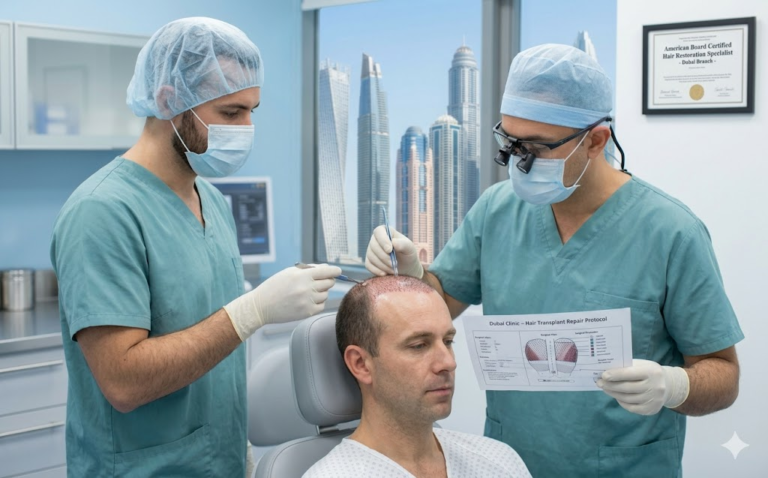
When follicles are permanently lost, transplantation may offer a longer-lasting way to restore coverage. Techniques such as follicular unit extraction involve removing individual grafts from a suitable donor area and placing them into thinning or bald regions. Careful planning helps create natural density and preserve donor resources.
A transplant is not always the first treatment. For Hair Loss Treatment in Islamabad, a specialist may recommend stabilizing ongoing hair loss before surgery so that untreated native hair does not continue thinning around transplanted areas. Recovery commonly includes temporary redness, crusting, shedding of transplanted hairs, and gradual regrowth. Final results take time and should be judged over several months.
Choosing the Right Clinic
Selecting a clinic requires more than comparing advertised prices. Look for a qualified doctor or appropriately trained hair-restoration professional, transparent consultation practices, suitable medical facilities, and a clear explanation of risks and alternatives. Ask who will perform each part of the procedure and whether follow-up care is included.
Before treatment, request a personalized assessment rather than accepting a standard package. Review before-and-after photographs carefully, understanding that lighting, angles, hair length, and styling can influence appearance. A trustworthy provider should discuss realistic outcomes.
What Happens During Consultation
During Hair Loss Treatment in Islamabad, the first appointment generally begins with questions about the onset and progression of hair loss. The clinician may ask about family history, recent illness, stress, diet, medications, previous procedures, and hair-care habits. Scalp examination can help identify patterns such as diffuse thinning, receding temples, patchy loss, or inflammation.
If necessary, additional testing may be recommended. Depending on the suspected cause, this can include blood tests or closer scalp evaluation. Once the likely cause is understood, the practitioner can create a treatment plan with expected timelines, costs, maintenance requirements, and possible side effects. A careful consultation also helps determine whether a combined approach is appropriate for your goals.
Supporting Healthier Hair
Treatment works best when overall health is considered. Eating enough protein and obtaining essential nutrients can support normal hair production, while extreme dieting may contribute to shedding. Adequate sleep, stress management, gentle hair care, and avoiding excessive heat or harsh chemical processing can also help protect fragile strands.
Supplements should not be taken automatically. Deficiencies such as low iron or certain vitamins can contribute to hair problems, but unnecessary supplementation may be ineffective or harmful. Testing and professional advice are preferable when deficiency is suspected.
Expected Results and Maintenance
Most nonsurgical approaches in Hair Loss Treatment in Islamabad require patience. Hair grows slowly, and visible improvement may take several months. Early changes can include reduced shedding or improved texture before noticeable density develops. Consistency is essential, particularly with treatments that only maintain benefits while they are being used.
Maintenance depends on the diagnosis and chosen method. Some medicines require ongoing use, PRP may involve periodic sessions, and transplanted follicles generally require long-term monitoring of surrounding native hair. Keeping photographs under similar lighting can help track gradual changes more accurately than relying on memory.
Cost Considerations
The price of hair restoration varies according to diagnosis, treatment type, number of sessions, technology, practitioner expertise, and the extent of hair loss. Medication-based care is usually less expensive than procedures, while transplant costs depend heavily on graft requirements and surgical planning. Low prices should not be the only deciding factor.
Ask for a complete cost breakdown before beginning treatment. Confirm whether consultation, diagnostic tests, medicines, follow-up visits, maintenance sessions, and post-procedure products are included. Transparent pricing helps compare options.
Safety and Realistic Expectations
Hair loss treatment is a medical decision, even when a procedure is marketed as cosmetic. Every intervention can involve limitations or side effects. Infection, irritation, scarring, allergic reactions, or poor cosmetic results are possible with certain procedures. Risks depend on the technique and circumstances.
Good treatment begins with an accurate diagnosis and realistic expectations. Hair density cannot always be restored to its original level, especially when follicles have been inactive or permanently destroyed for a long time. The objective is often meaningful improvement rather than perfect restoration.
Final Thoughts
Hair loss can be frustrating, but it is not something that must simply be accepted without evaluation. Modern options range from topical and oral therapies to PRP, microneedling, and transplantation, with the best choice depending on the cause and stage of loss. Hair Loss Treatment in Islamabad can provide access to professional assessment and tailored treatment plans when performed by qualified providers.
The most important step is to seek an appropriate diagnosis before choosing a procedure. Compare qualifications, treatment plans, expected results, safety information, and follow-up support rather than focusing only on price. With timely care, realistic expectations, and consistent maintenance, many patients can improve the appearance and health of thinning hair while protecting remaining follicles.